
Amateur Athletes
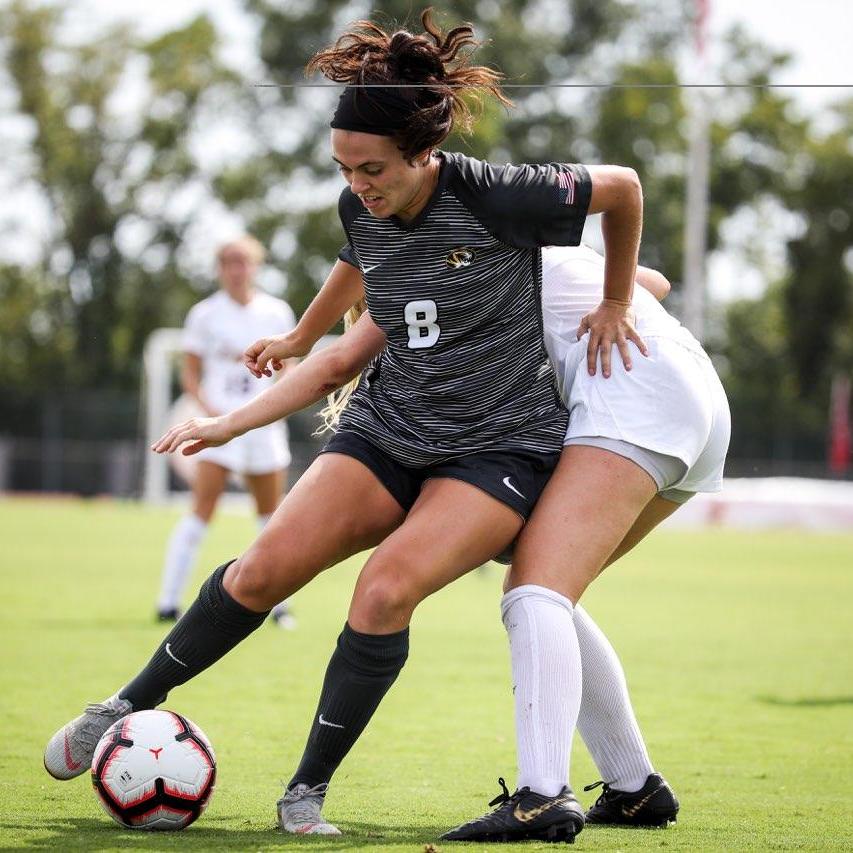


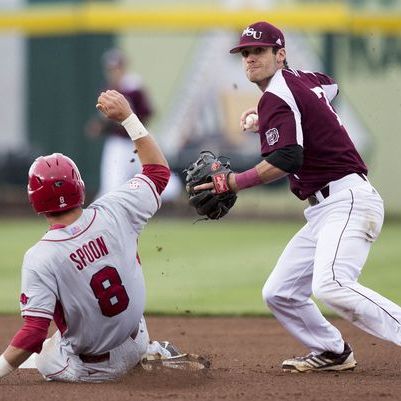

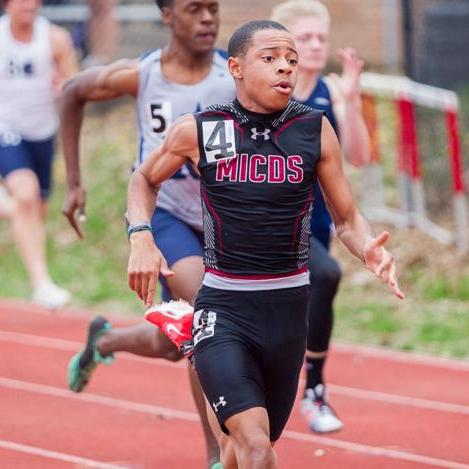

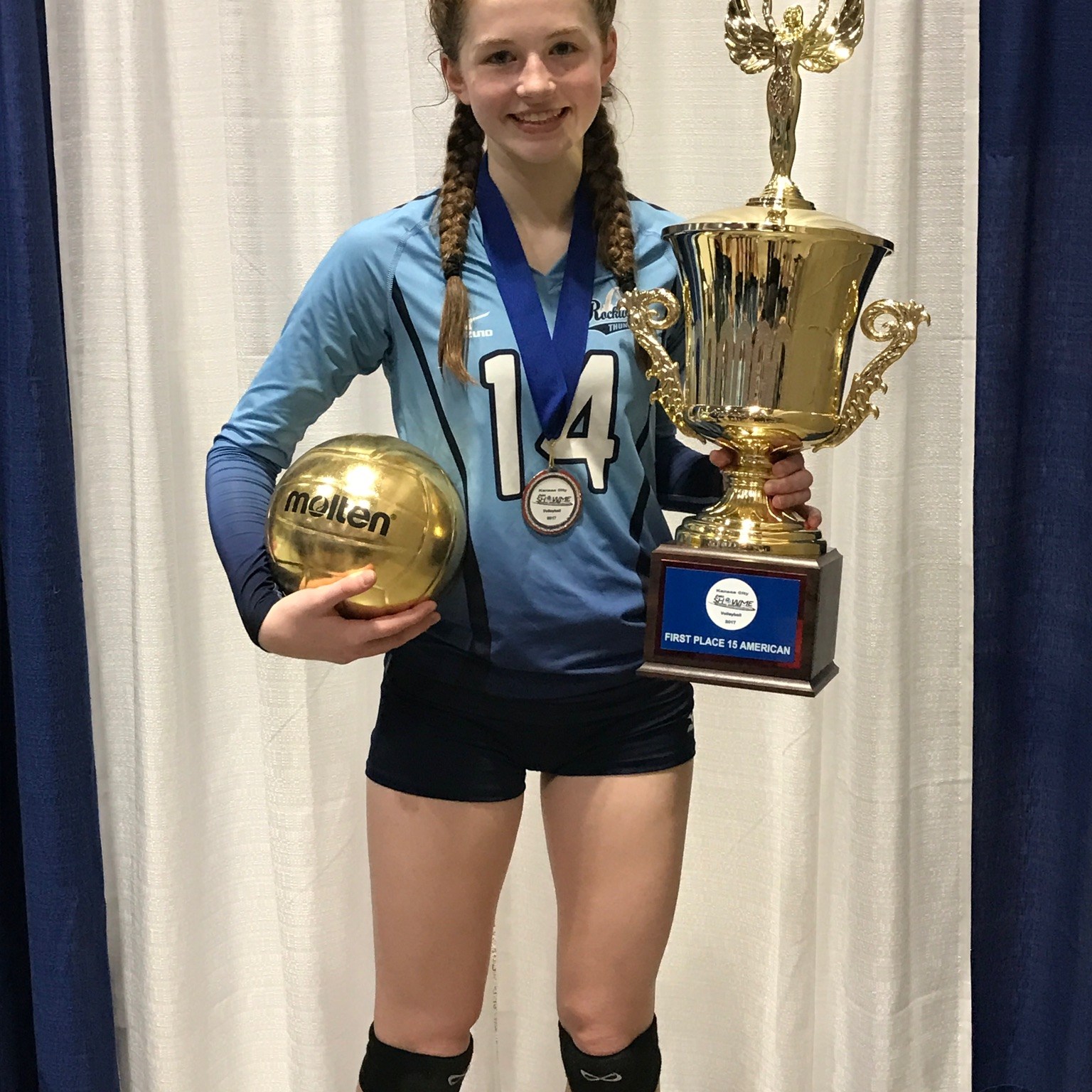
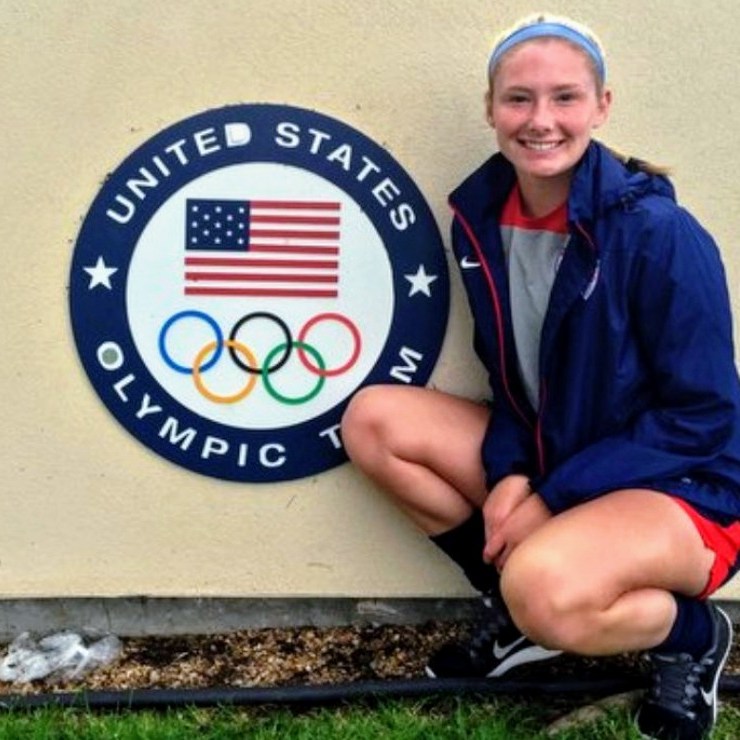
The difference between amateur athletes and professional athletes lies in their rewards for participation.
Amateur sports can be divided into two categories:
Restricted competition — high school, and college athletics.
Unrestricted competition — open to all amateur athletes, typically with some qualifications — The Olympics.
There is no difference in how you train, only in how you get paid.
Me Score
Each athlete is examined with our “Optical Particle Analyzer” – we aren’t doctors, we are physicists – if you need a doctor, PLEASE go to the hospital. Our OPA analyzes with Motion Capture, Force Plates, and Omegawave to objectively assess how and why your matter and energy behave. Once analyzed, we model an individualized training program to increase and optimize the efficiency of your matter and energy as they pertain to sport.
Injury Mitigation
Our Me Score can identify specific injury risks. Training protocols can then be implemented to mitigate the risk of injury–mobility, stability, and/or force production. Unfortunately, injuries can never be avoided, but their risks can be minimized.
Major knee injuries are often non-contact injuries, caused by a twisting of the knee, without any outside force. This is a result of sloppy training, poor body awareness, or unnecessary fatigue during competition, which reduces body awareness and forces greater stress on the knees. Although the knee is often the victim of injury, it is rarely the culprit. If the foot is planted and the ankle and hip are stiff, there is only one place for rotation to occur—the knee.
Muscles do not get tight or weak for no reason; they grow tight because of the way they are used. Tight muscles are ones trained in a shortened range of motion. Weak muscles are ones that are avoided during training.
Training Plan
Training plans are unique to the individual. Some individuals may have similar training designs, but that is because they exhibit similar ranges in metrics. There are four (4) proficiency levels and three (3) subgroups within each level. Training plans are adjusted in 4, 8, and 12-week blocks depending on the situation. We retest every 4-weeks to make sure the training protocols remain accurate…and a check to make sure the athlete is doing the other 80% that Engineered Performance cannot control–sleep, hydration, nutrition and timing, and following the correct incremental loading.
“Engineered Performance has evolved into one of the best programs I have ever got to work with. Jacob is constantly studying his area of work and looking for ways to better his clients. I was fortunate enough to work with Jacob this off-season and saw tremendous strides and progression in both my strength and health. Jacob is great at sitting down with you and developing a plan to help you achieve goals and I can’t thank him enough for that. This off-season was one for the books and can’t wait to continue to work with Engineered Performance for the years to come.”
– Joey Hawkins (now with the St. Louis Cardinals Organization)
Start your training today.
FOLLOW US
 Engineered Performance